


Worldwide


The case
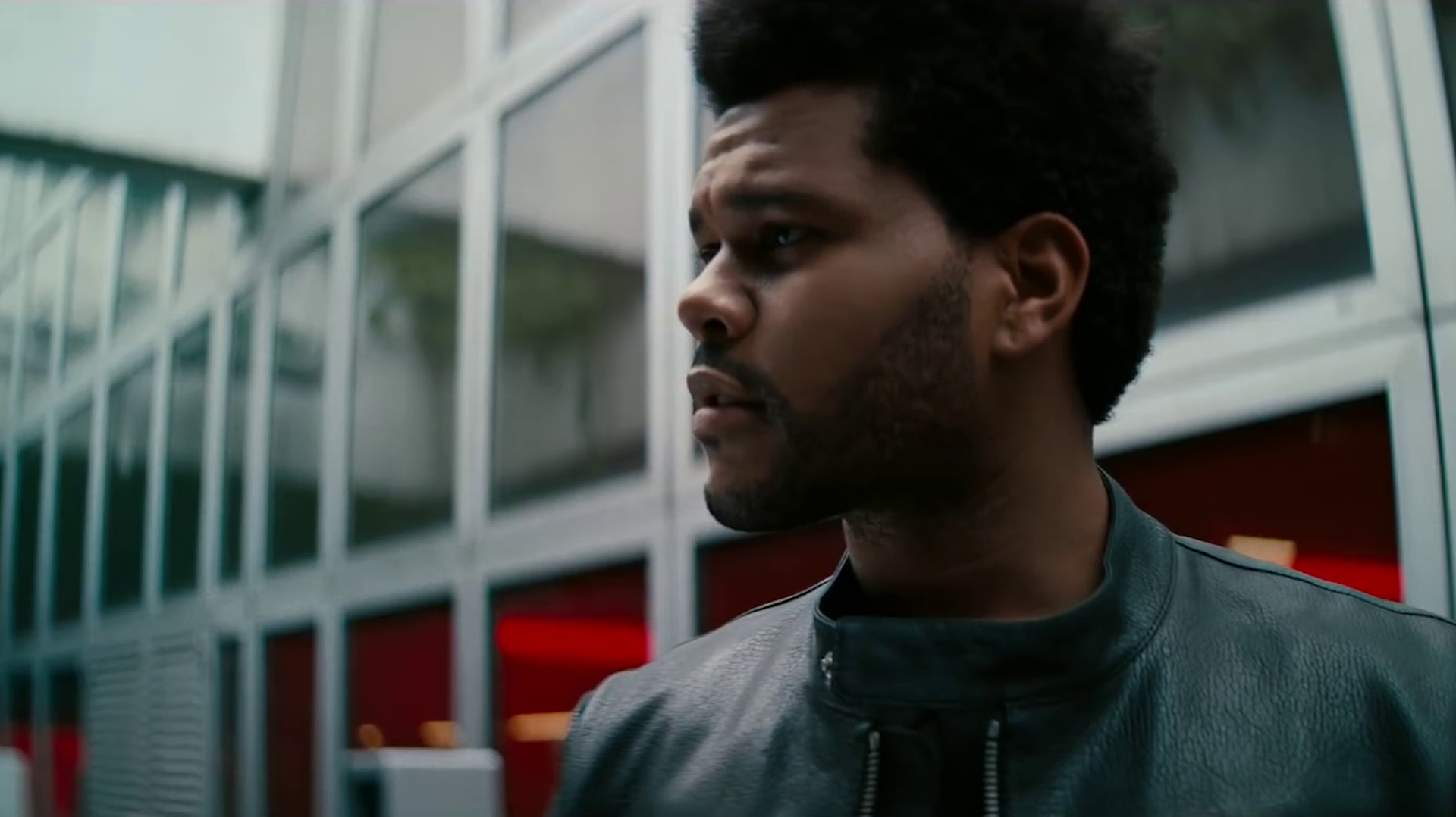
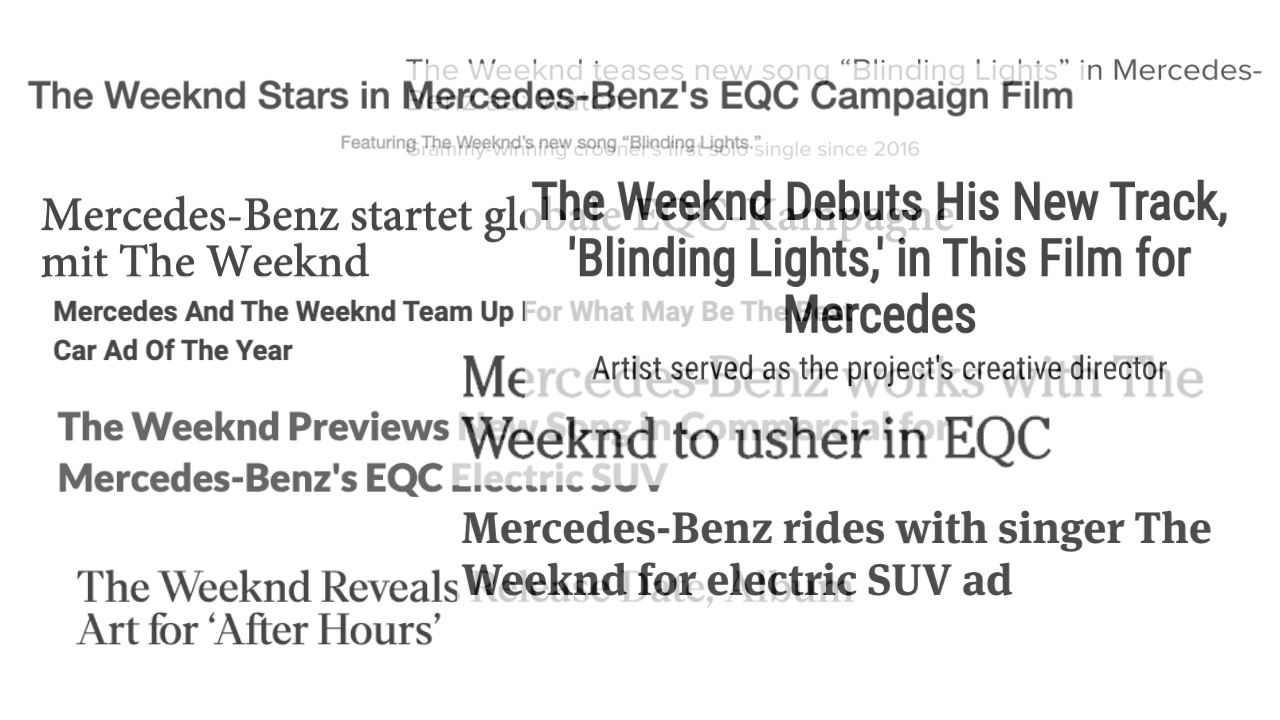
Mercedes-Benz collaborated with The Weeknd to launch their electric EQC model with a global brand film that doubled as the first reveal of his single “Blinding Lights”. The Weeknd was not only the star of the film but also credited as Creative Director, with the song written to align with the car launch, the campaign, and the later music video.
Universal Music Group and Brands led the artist collaboration and recording rights, while Tracks & Fields was brought in to clear all music copyrights. The challenge: secure every right needed for a future hit single that did not yet exist, with unknown splits between writers and overlapping roles.
The project touched almost every music right relevant to a global brand campaign:
Talent and performance agreements for The Weeknd as an on-screen actor.
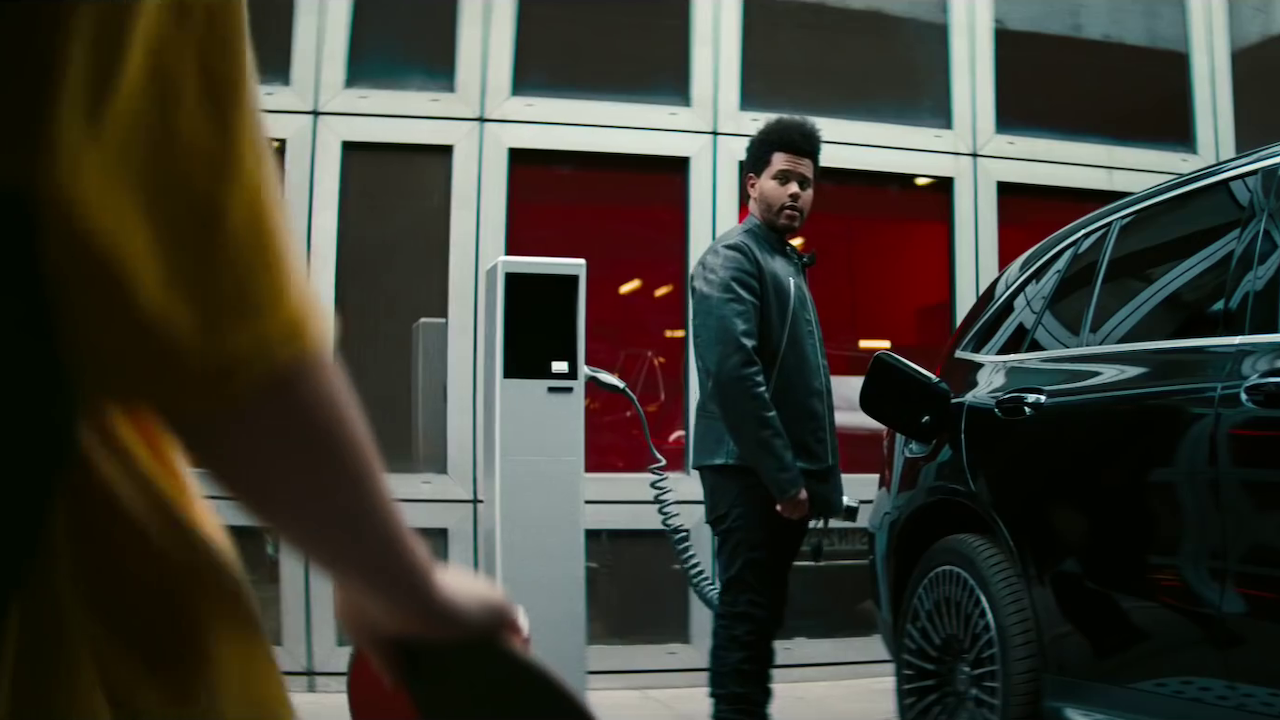
Testimonial / name, image, likeness usage as a global celebrity and brand in his own right.
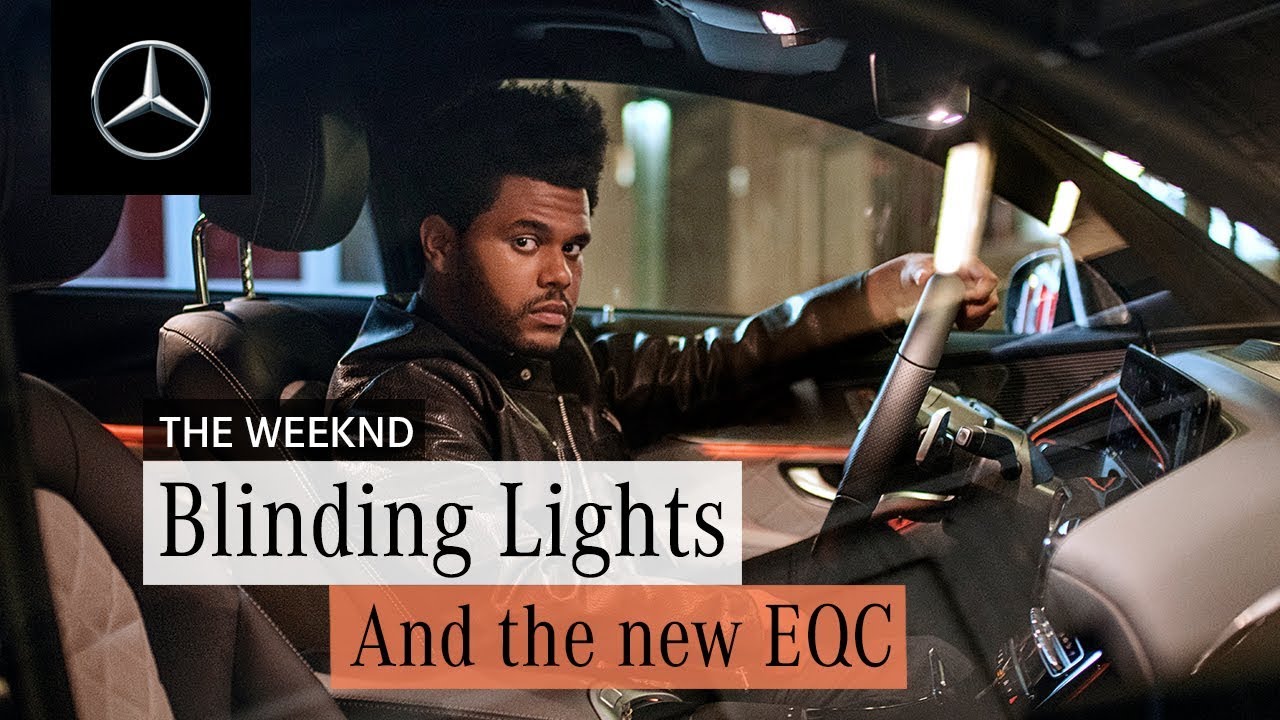
Product placement / sponsorship via the Mercedes-Benz car featured in the later music video.

Music production and creative direction credits for The Weeknd within the brand collaboration.

Master use rights for the sound recording, controlled by his record label.
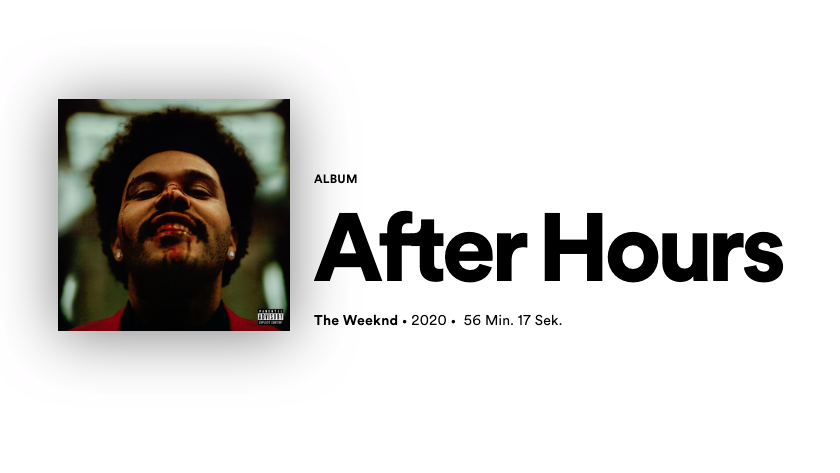
Use of cover art and in-dashboard music display, even though the single and album were not yet released.
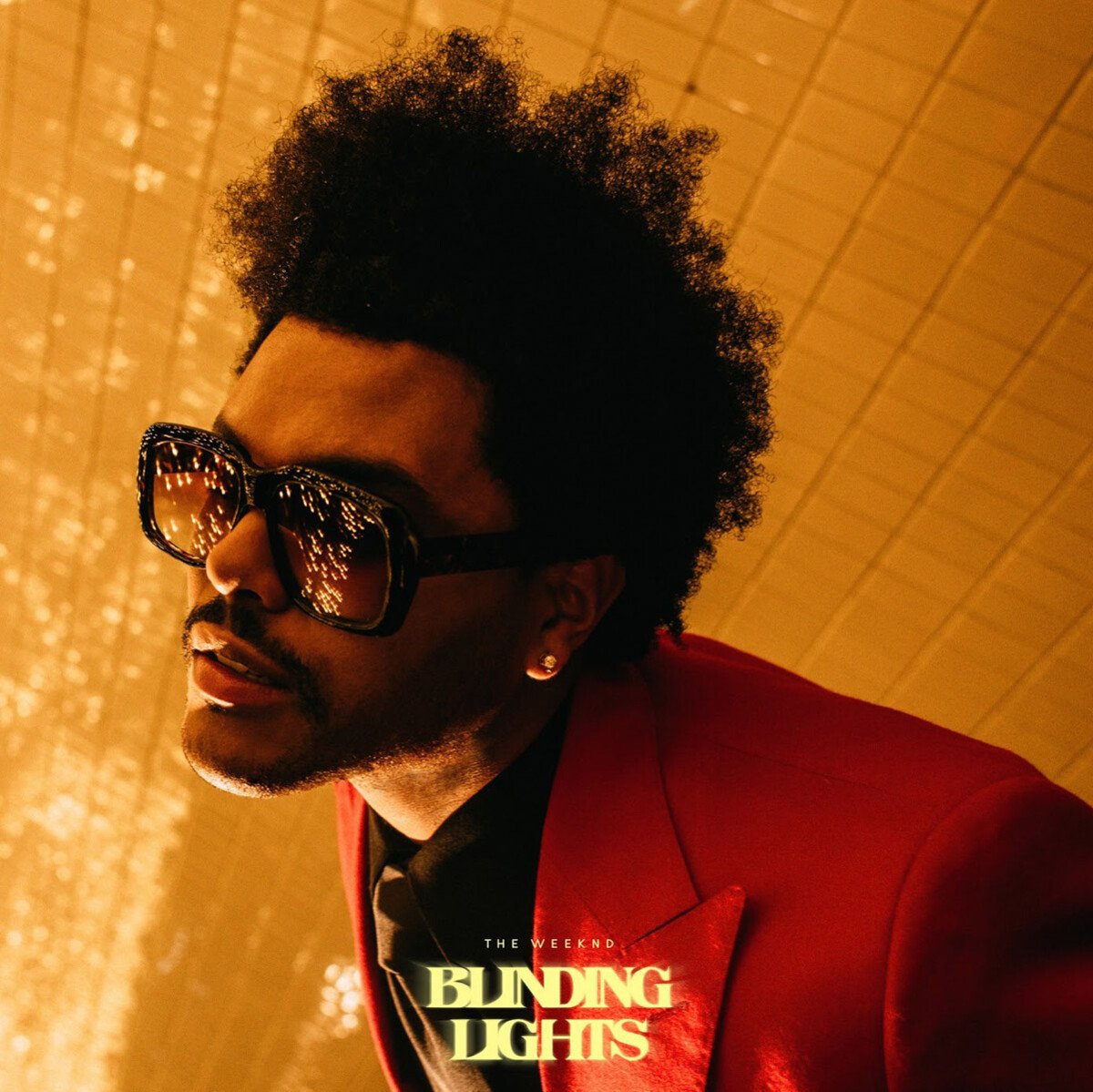
Copyright and publishing rights involving multiple writers and publishers.
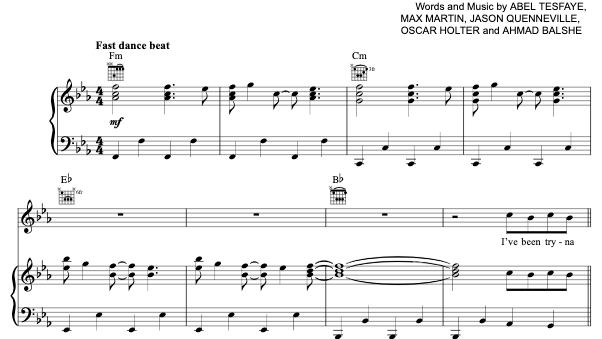
Personality rights, union fees (AFM, SAG-AFTRA, MU), and performance/broadcasting rights via global PROs.
What the industry playbook suggested
Most organisations would start from the assumption: “We’ll deal with music once the song and splits are final.” New releases then move through a long administrative chain; confirming writer splits, updating publisher systems and union records, and registering works at PROs, before they are treated as “safe” to license, often over several weeks or even months.
For sync, many rights owners only begin negotiating once a concrete request arrives, and major campaigns with multiple stakeholders and global approvals routinely take weeks to many months to close. Each additional publisher, collecting society or union adds another round of approvals and contract redlines, while talent approvals, personality rights, union re-use fees and PRO cue sheets run on their own separate timelines. For a brand team with a fixed launch date, this status quo effectively means: the bigger and more global the project, the less control you have over timing and budget certainty.
What our infrastructure unlocked
Turning uncertainty into a predictable, creative asset
Negotiations needed to start long before traditional admin workflows were finished. To move early, we began on a 100% basis focusing first on The Weeknd and Max Martin, who were expected to hold the largest share and practical authority in the process. This allowed all parties to work to full copyright value even before final splits and registrations existed.
You can see an overview on our Music Negotiation Table:
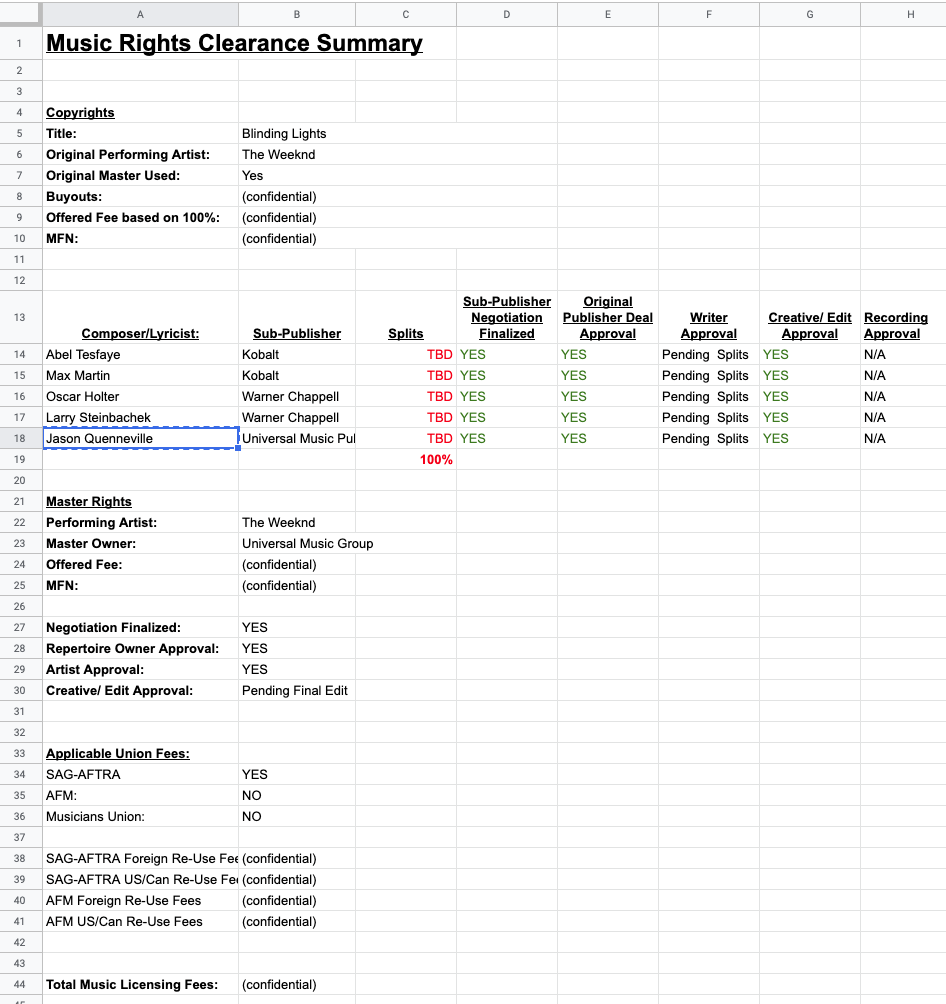
A structured, end-to-end rights table brought all stakeholders and rights types into one coherent view, instead of separate email threads and spreadsheets. This made it possible to map every right, every counterparty and every dependency, and to see early where a single party could block the whole campaign. With that visibility, pressure points could be addressed proactively rather than at the eleventh hour.
This infrastructure made several things possible:
Speed without sacrificing control: By front-loading rights strategy and aligning stakeholders early, 100% of the copyright could be effectively cleared in a short time frame, while contracts and final splits were still being finalized in the background. The client had legal clarity to move ahead with production and media in time for the launch.
Budget certainty before the hit exists: The brand knew the full cost of using what would become a global number-one single even before the work was registered and administratively “visible” in the usual systems. That removed one of the biggest unknowns in high-stakes campaigns: whether the dream soundtrack would suddenly become unaffordable or unlicenseable at the last minute.
Fully aligned creative collaboration: Integrating talent, testimonial, product placement, music production, master use, cover art, publishing, personality rights, union fees and PRO obligations into a single negotiation framework allowed the creative idea to stay intact.
Here is the final film:
The result
Tracks & Fields’ rights infrastructure allowed Mercedes‑Benz to clear “Blinding Lights” before it officially existed, so the campaign could premiere the song without compromise. That early, de‑risked launch became the springboard for what would turn into The Weeknd’s biggest hit, later named the No. 1 song of all time on the Billboard Hot 100 after a record-breaking run in the Top 10 and on the chart overall. The track went on to become the first song in Spotify history to surpass 5 billion streams and IFPI’s top global single of its release year, cementing it as one of the most commercially successful songs ever released.
If your creative plans outgrow your current music process, let’s talk about the right infrastructure to make them viable.
