


Worldwide


The case
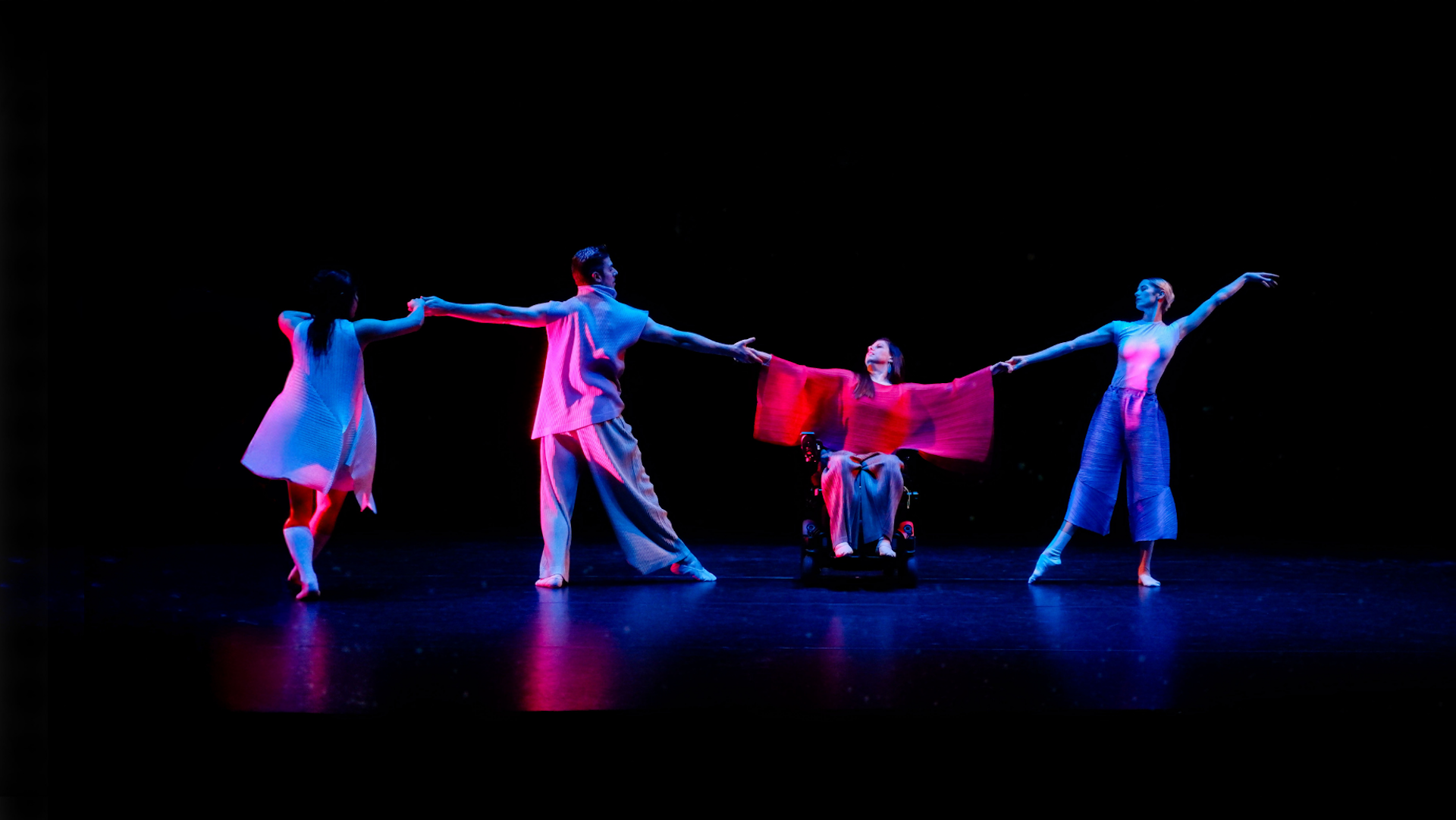
“Waves of Will” is a live mixed‑reality dance performance by Dentsu Lab and NTT, part of the Project Humanity / All Players Welcome initiative. In it, dancer Breanna Olson, who lives with ALS, performs via a mixed reality avatar controlled by an EEG-based brainwave interface, selecting movements and shaping choreography in real time.
The piece unfolds in three acts: Breanna performing through her will, then dancing with her brother Casey Herd, and finally joined by other dancers in a collective, emotionally charged finale. For NTT, it is a proof of how advanced R&D can become human‑centred storytelling rather than technology for its own sake.
The score had to match this ambition. Dentsu Lab and NTT needed music with real cultural credibility and emotional depth, and set their sights on Oscar‑nominated composer Max Richter for a pro bono project with almost no budget, a tight timeline, and an artist already inundated with requests. Tracks & Fields stepped in to clear multiple existing Richter works, aligning a composer of this stature with a purpose‑driven, non‑commercial performance.
What the industry playbook suggested
Under the typical industry logic, this route would have been written off early. A world-renowned composer like Max Richter does not need pro bono exposure. He is heavily in demand, and his catalogue is managed by structures that are designed to prioritise commercial projects and carefully curated artistic collaborations.
Given:
- Almost no budget.
- A pro bono, non-commercial project.
- A high volume of incoming requests to the composer and his team.
- No response from the artist despite several attempts
The standard recommendation would have been to abandon the attempt and move to a safer fallback option: commission a different composer, license more accessible catalogue, or rely on internal production. In other words, the playbook would say: “This is too hard for the constraints. Find another route.”
Tracks & Fields did indeed have several backup music plans lined up as part of their infrastructure, but they still wanted to push for the fit that would truly match the project’s cultural and emotional ambition.
What our infrastructure unlocked
The key was not a long, formal escalation chain but the right, structured use of trusted relationships inside a clear rights framework.
Rather than pushing repeated formal requests into an already overloaded pipeline, Tracks & Fields leveraged a specific connection: one of the team members was friends with Max Richter’s tour manager. A single WhatsApp message to the right person, supported by an existing track record and clear project framing, unlocked same-day approval, initially for newer versions of some works.
A second message, with precise clarification on the artistic need, secured the older versions that the team actually wanted.
Behind that apparent simplicity sat infrastructure:
- Fall-back and contingency planning: Alternative score options were prepared ahead of time so the project would not fail if the Max Richter route did not work. That allowed the team to pursue the more ambitious option without exposing the client to unnecessary risk.
- Existing trust with the label: Tracks & Fields was already the label’s biggest client. That long-term relationship created the context in which a pro bono exception could be considered seriously rather than dismissed as another unrealistic ask.
- Fast, targeted communication channels: The rights infrastructure included not just formal legal processes but mapped personal decision paths – who can actually unlock a “yes”, how to reach them, and how to frame a project in a way that matches their values as well as their commercial realities.
The result
Five Max Richter works were cleared for a pro bono, experimental performance at the intersection of neuroscience, dance and inclusive innovation. The score chose cultural credibility over commercial convenience, matching the technological and human ambition of the piece.
“Waves of Will” has become one of the flagship chapters of Project Humanity and All Players Welcome, following earlier ALS‑driven performances recognised at major festivals such as Cannes Lions, SXSW and the Japan Media Arts Festival. With Richter’s music anchoring the work, the project reached a broad audience: presented in Amsterdam, featured by BBC News, and nominated in 2026 awards circuits including the Webby Awards’ AI – Belonging & Inclusion category.
As Dentsu Lab CCO Naoki Tanaka put it, “This is what innovating to impact looks like in action… an experience that moves people,” while NTT’s Mariko Nakamura highlighted that projects like “Waves of Will” change how people see NTT by showing the real impact their technology can have. Behind all of this sits a simple but difficult achievement: securing an Oscar‑nominated, globally respected composer for a pro bono performance that makes audiences cry, on timelines and budgets that would normally make that impossible.
If your most ambitious stories feel “too big” for your timelines, budgets or access to artists and catalogue, we’d be happy to talk about how rights infrastructure and relationships can turn the impossible-sounding option into the one that actually happens.